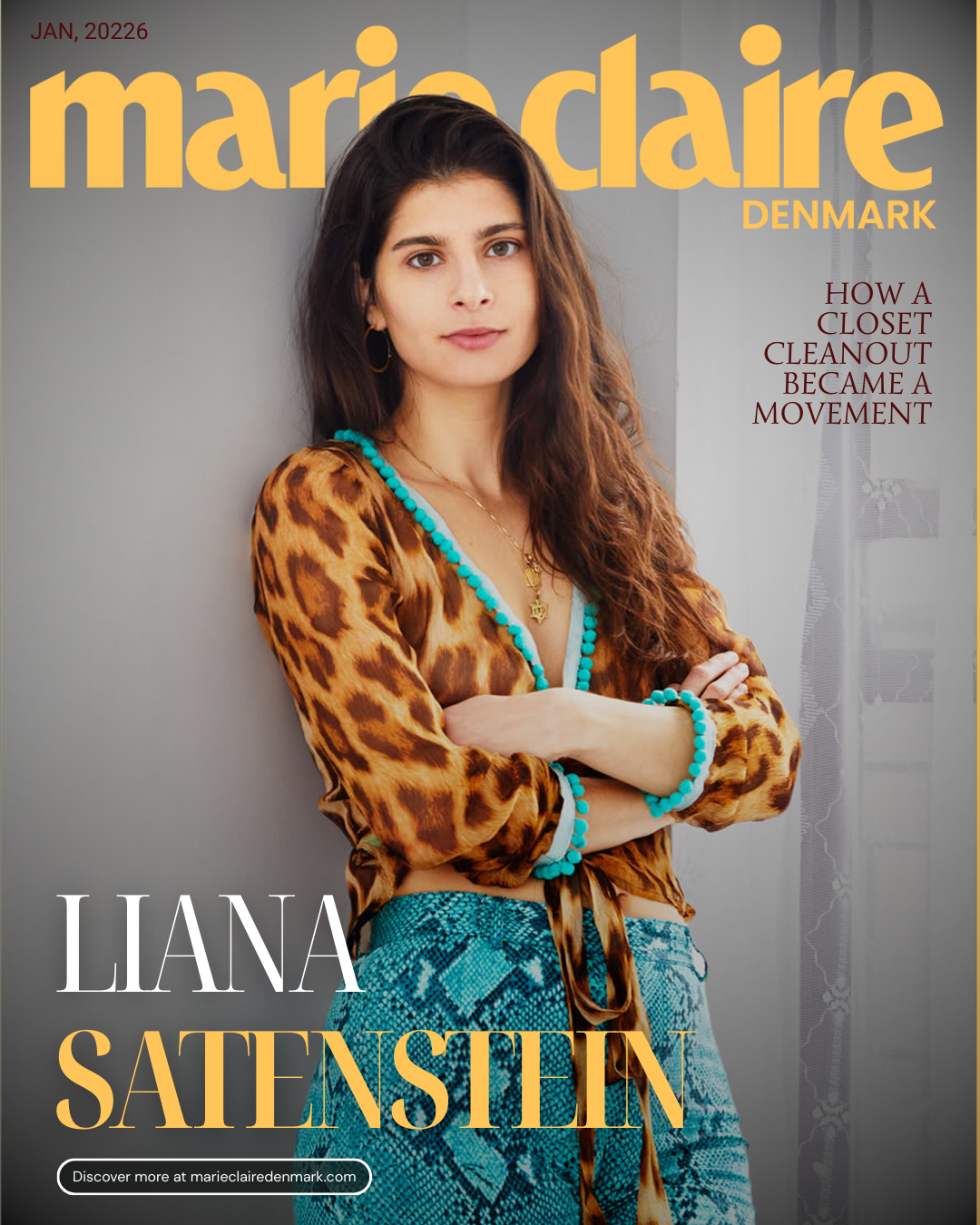
There are fashion writers who report on clothes, and then there are those who listen to them. Liana Satenstein belongs firmly to the latter. Her work does not simply describe what people wear; it uncovers why garments endure, how they travel through time, and what they quietly say about the people who choose them.
Long before vintage fashion became a social-media shorthand for taste, Liana was already interested in the emotional life of clothing. At Vogue, where she spent years shaping stories that blended history, humor, and cultural context, she developed a voice that felt both scholarly and intimate. She wasn’t chasing trends. She was tracing lineages—how a silhouette echoed decades past, how a forgotten designer resurfaced in a modern wardrobe, how personal history could live inside a seam.
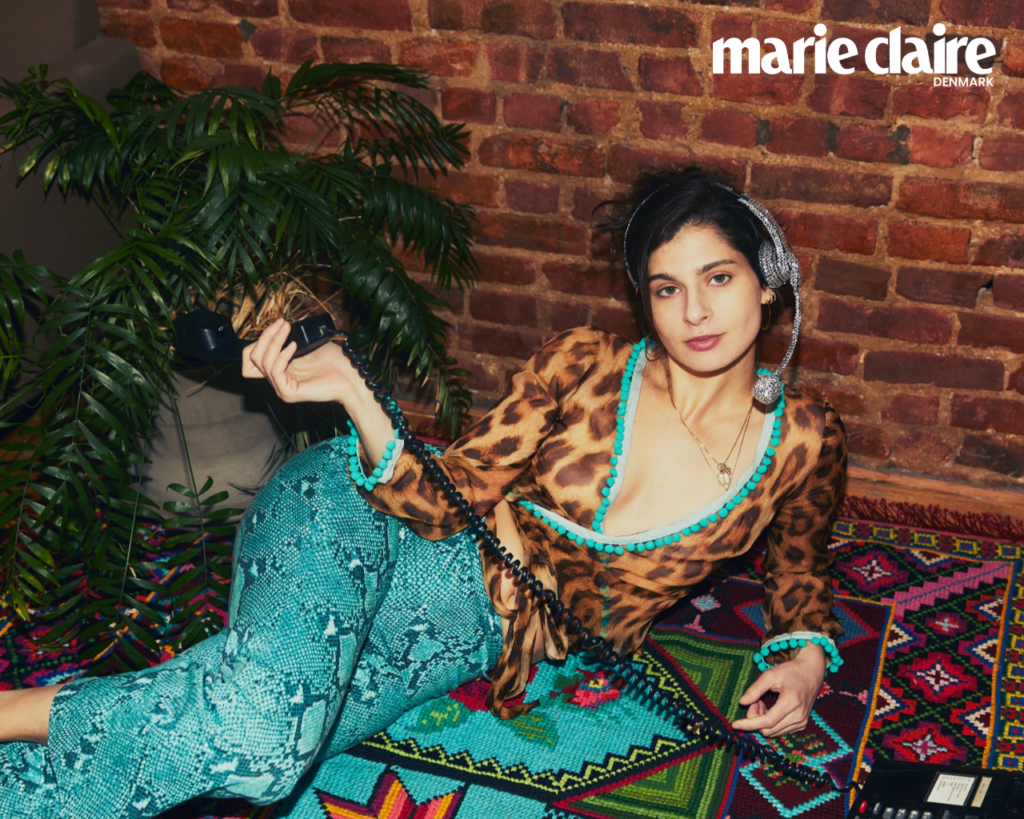
What set her apart was curiosity without pretension. Liana wrote about fashion the way one might talk about a family heirloom: with reverence, wit, and a sense that meaning accumulates over time. Her fascination with Eastern European and post-Soviet style cultures, in particular, revealed fashion as a mirror of politics, migration, and identity—not just aesthetics.
When she stepped away from Vogue, it wasn’t an exit so much as an expansion. As an independent writer and consultant, she began working across publications like The New York Times, Harper’s Bazaar, and i-D, bringing the same depth but with even greater freedom. Her storytelling widened, becoming more personal, more experimental, and more grounded in lived experience.
This evolution found its most recognizable form in NEVERWORNS, her newsletter and video series devoted to vintage clothing and the stories behind them. Here, closets become archives. A dress is no longer just a dress; it is a witness. Through conversations with editors, stylists, and creatives, Liana reveals how clothing carries memory, ambition, and sometimes contradiction. The tone is playful, but the insight runs deep—fashion as autobiography, fashion as anthropology.
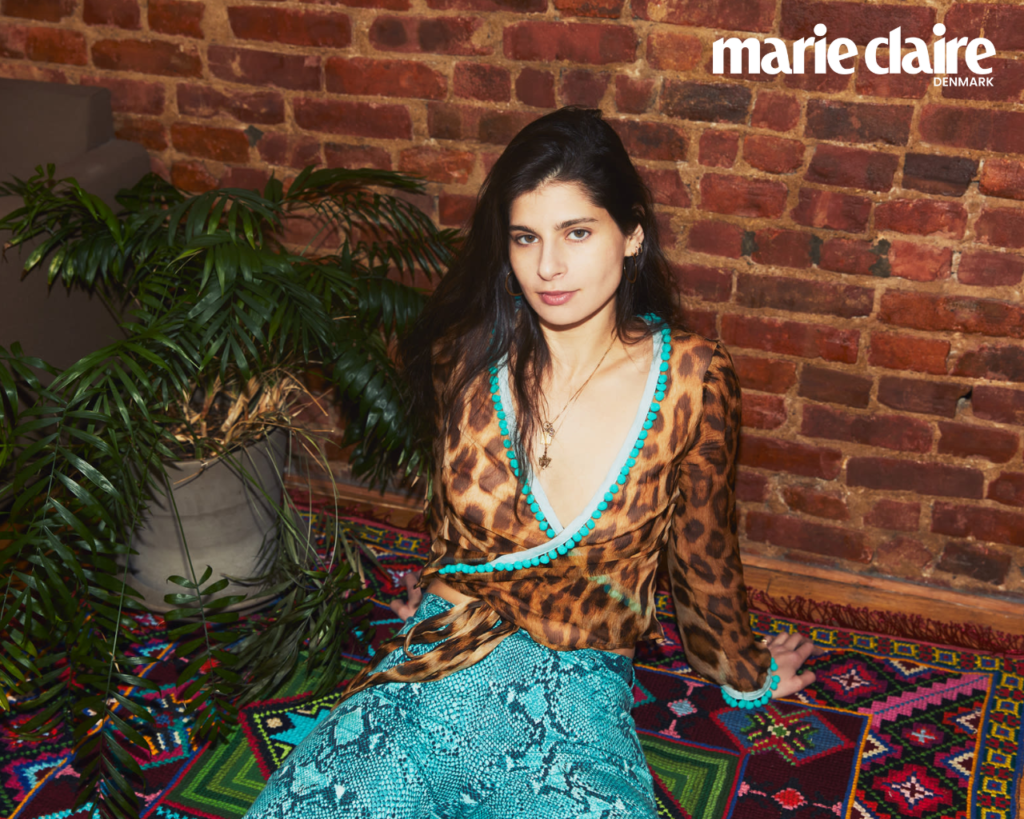
Beyond writing, she has blurred the line between editor and curator. Through closet consulting, resale events, and brand collaborations, she treats fashion as something to be engaged with physically and emotionally, not just consumed visually. There is a quiet sustainability in this approach—not framed as virtue, but as common sense and respect for craft.
What makes Liana Satenstein compelling is not just her knowledge, but her sensibility. She resists the urgency of the new for the richness of the known. In an industry obsessed with speed, she slows the conversation down. She reminds us that style is not about constant reinvention, but about accumulation—of memories, references, and meaning.
In doing so, Liana has carved out a rare space in fashion media: one where intelligence and intimacy coexist, where history feels alive, and where clothing is allowed to speak in its own time.